Email is the most popular channel of internal communication. Here are the advantages and limitations of using internal email as your communication tool.
Advantages:
1. Wide Reach and Accessibility: Email stands tall as the go-to medium for business communication. With its widespread adoption, you can effortlessly connect with a vast audience, reaching colleagues across departments and locations. Whether on a desktop, laptop, or mobile device, email remains readily accessible to all.
2. Amplifying Communication Efforts: Email proves invaluable in recirculating and redirecting traffic to important communications that have already been shared elsewhere. It serves as a powerful tool to reinforce and disseminate key messages, ensuring their reach is maximized.
3. Enriching Content Delivery: Unlocking a realm of possibilities, emails empower communicators with the ability to craft compelling narratives. Visuals, videos, links, and text can be seamlessly integrated, transforming emails into captivating storytellers. This versatility allows for engaging and concise message delivery, leaving a lasting impact.
Limitations:
1. Fragmented Discussions: The nature of email can present challenges when it comes to tracking and managing discussions. Threads can easily become convoluted and scattered, making it difficult to follow the flow of conversation. This fragmentation can hinder collaboration and cohesion within teams.
2. Engagement Hurdles: While email offers the potential for two-way communication, it may inadvertently discourage active engagement and open discussion. The “reply all” option, though available, can be daunting, leading to limited participation. On the other hand, an onslaught of sporadic “reply all” responses can quickly become a distraction across the organization.
3. Inbox Overload: The rise of instant messaging platforms like Teams and Slack has led to a decrease in email usage for internal discussions. With cluttered inboxes and the sheer volume of emails flooding our screens, urgency and visibility can suffer. Research suggests that employees receive and send an average of 120 emails per day, with a staggering 20% of them going unread.
As we venture into an era dominated by alternative communication tools, it’s crucial to recognize the evolving landscape. Instant messaging platforms have gained popularity, potentially impacting how colleagues in non-customer-facing roles engage with their email inboxes.
How do you measure the effectiveness of internal email communication?
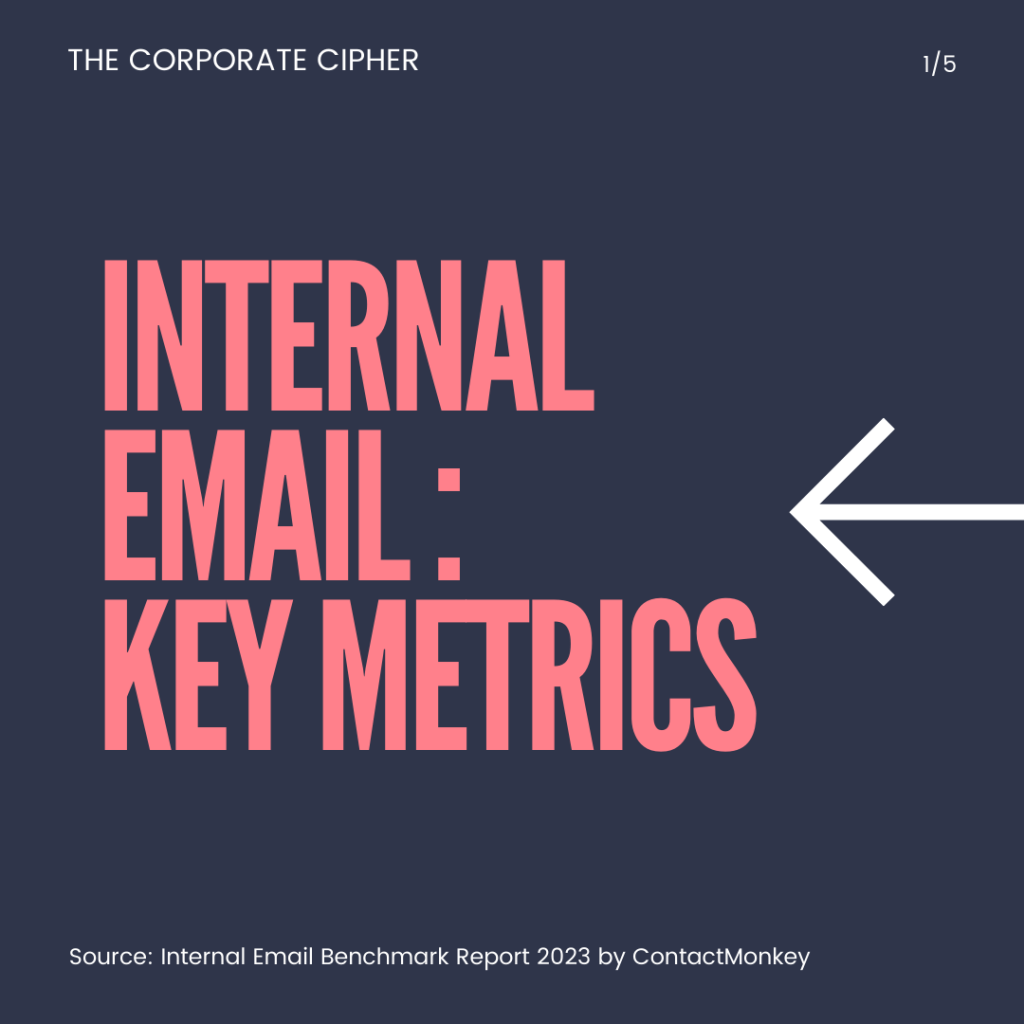
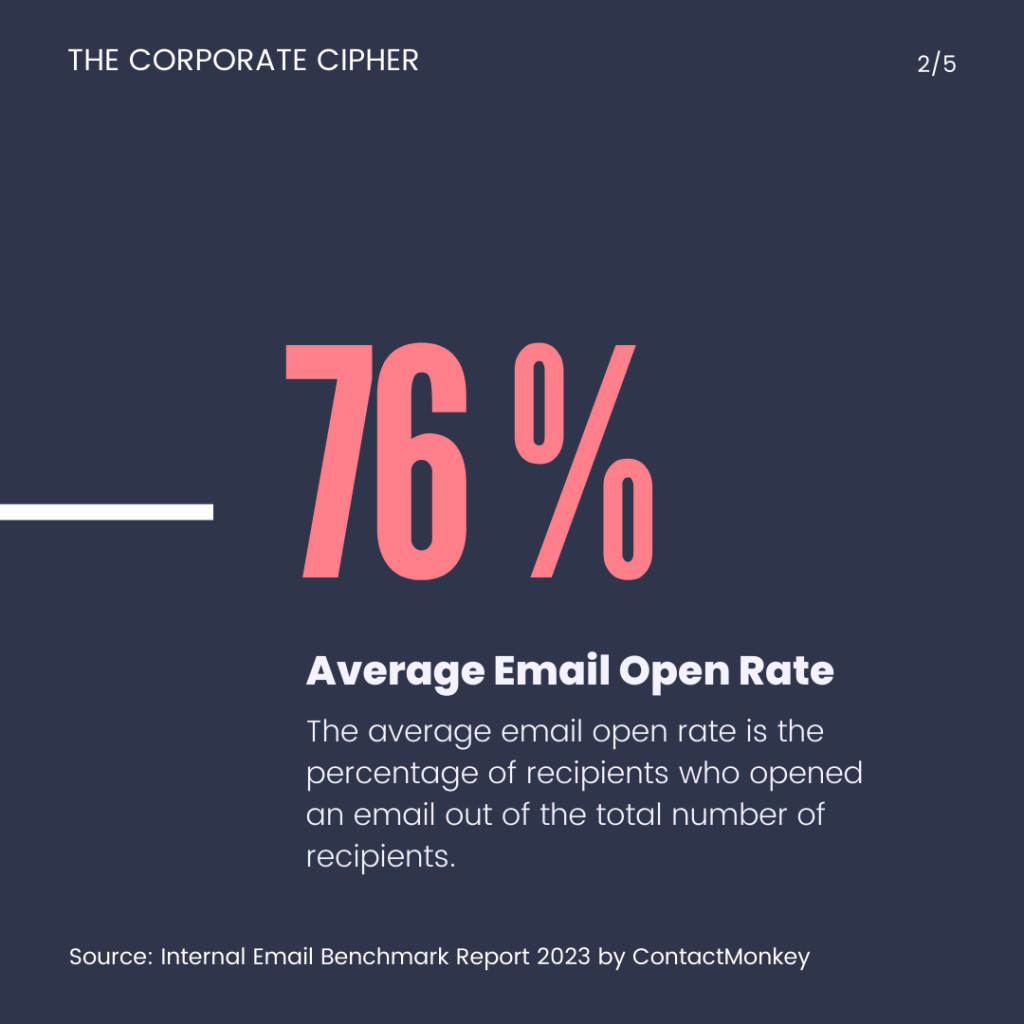
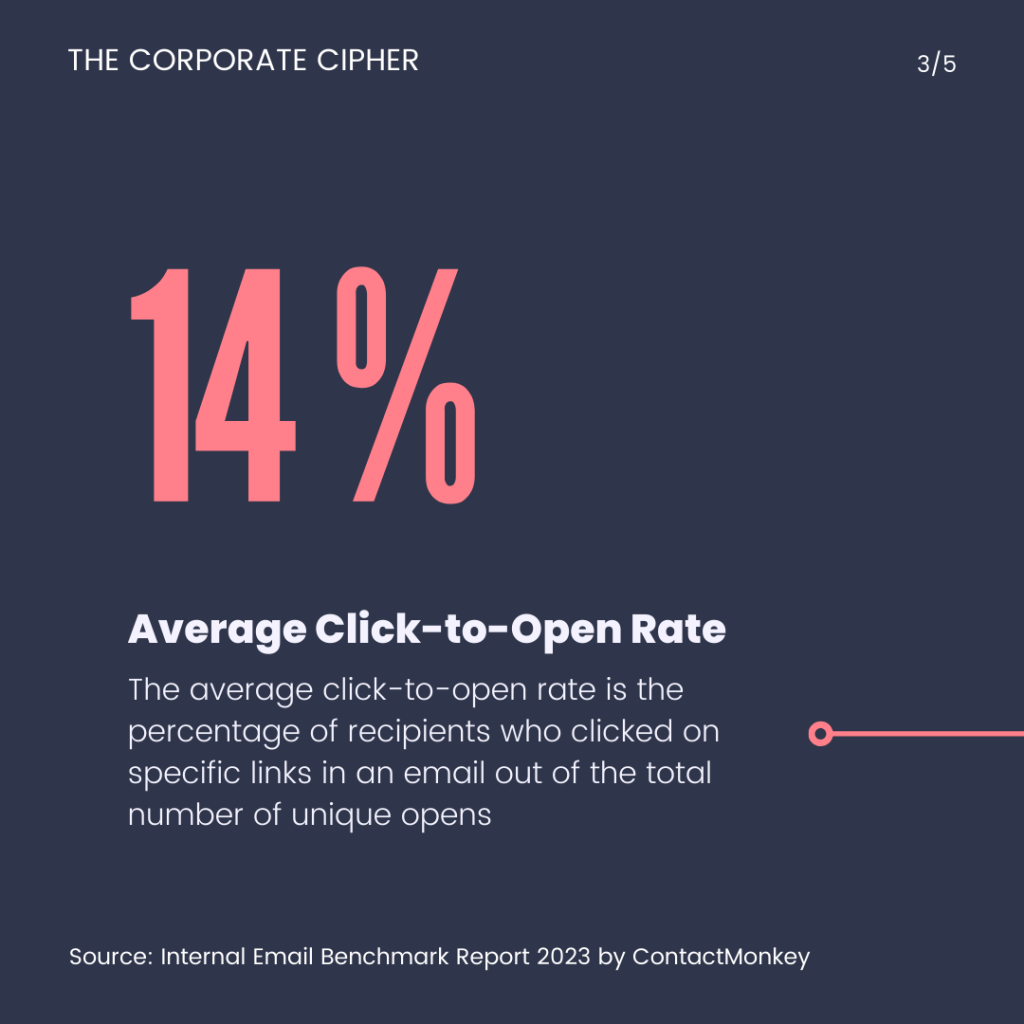
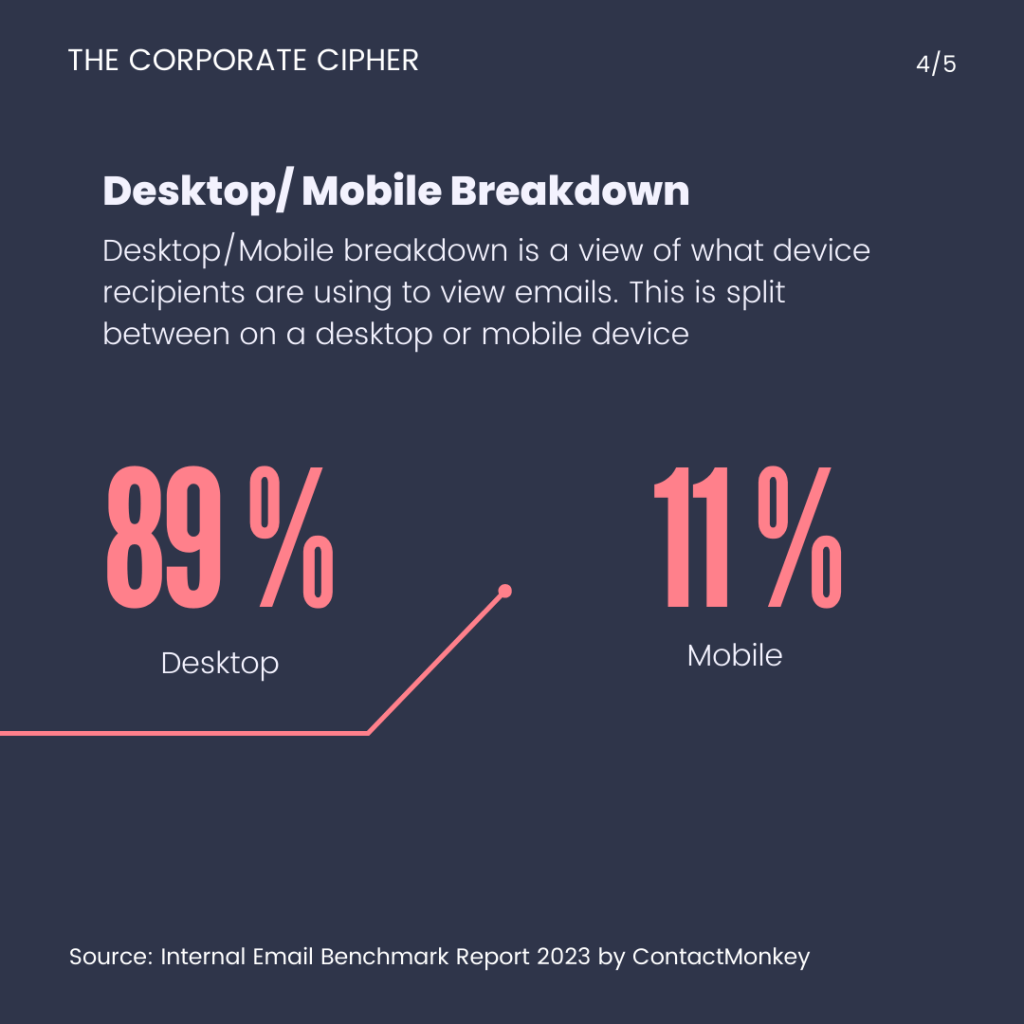
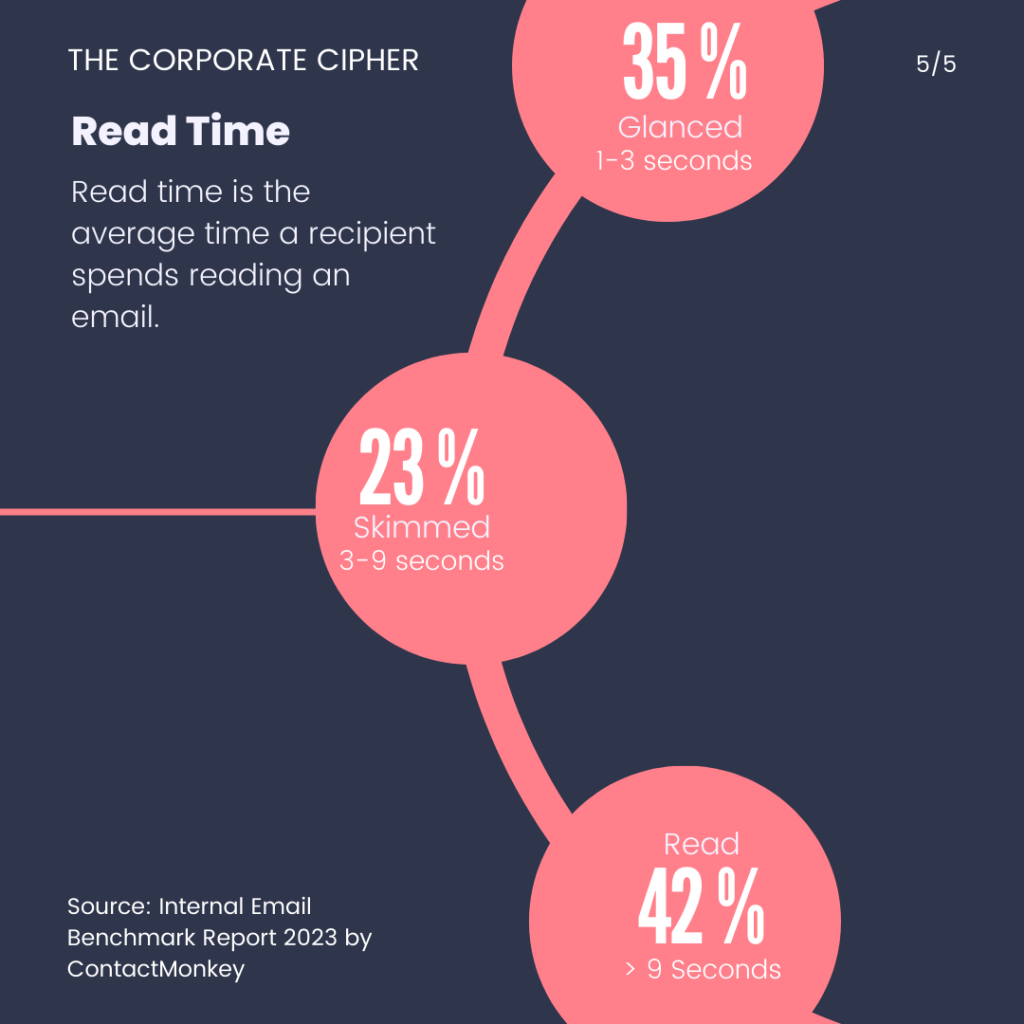
To gauge the effectiveness of internal email communication, consider the following metrics:
 THE CORPORATE CIPHER
Leave a comment